
Treatments that Inhibit Tumor Growth and Metastasis
Our focus is on creating an anti-cancer product that is effective in treating cancer, and which is sufficiently well tolerated to be suitable for chronic, long-term use in patients with diagnosed cancer, and potentially in the longer term in patients at high risk of developing cancer.
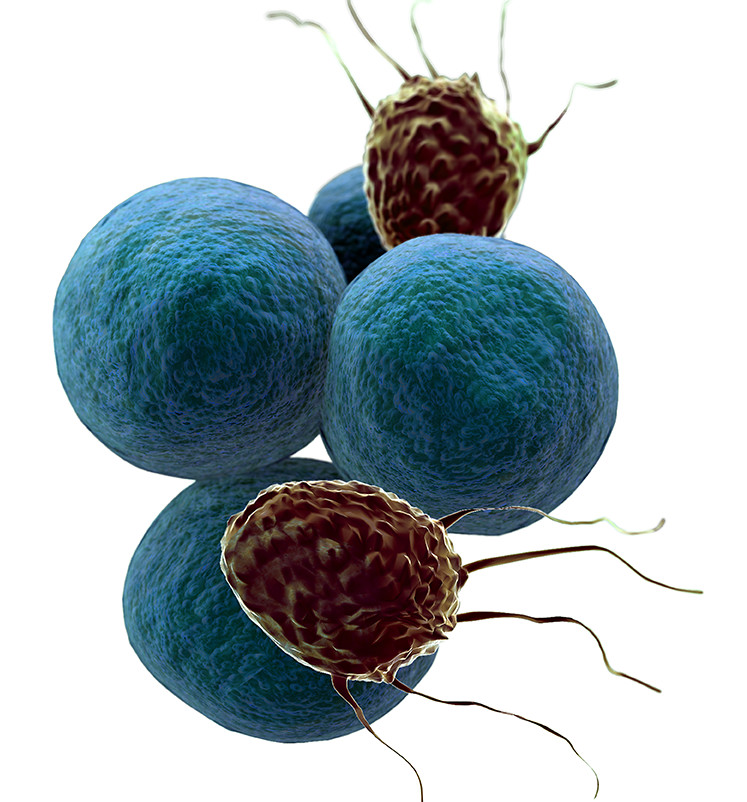

A New Frontier In Cancer Therapy
Watch how Propanc is pioneering a new approach to cancer therapy
Our Lead Product: PRP
PRP is a long-term therapy based on a pancreatic proenzyme formulation to prevent tumor recurrence and metastasis, the main cause of patient death from cancer. It’s a novel, patented, formulation consisting of two proenzymes mixed in a synergetic ratio.
Technology Based on Pancreatic Enzyme Therapy
Pancreatic Enzyme Therapy uses natural elements within our organism that could help us treat cancer.
Meeting Global Demand for Effective, Safe and Easy to Administer Cancer Treatments
Cancer is the leading cause of death worldwide, accounting for 7.6 million deaths in 2008 (source).
Supplying a Market Need